Major August 2026 Sky Events
Partial Lunar Eclipse
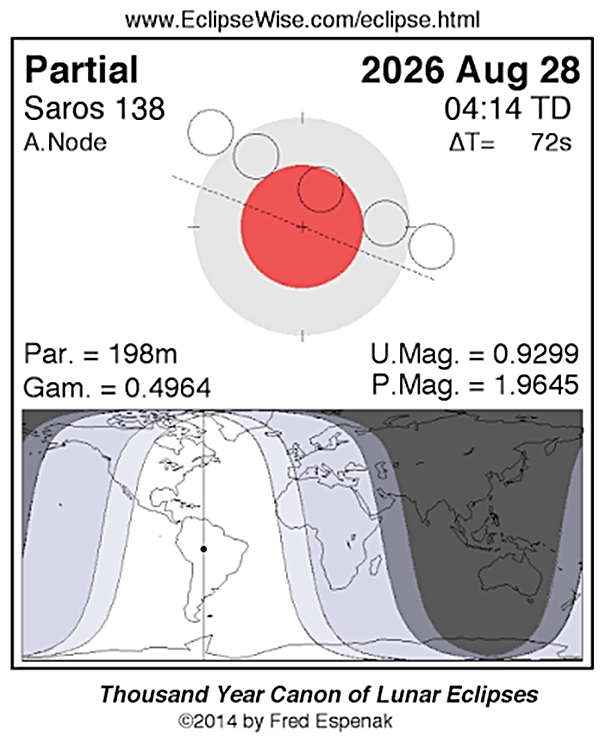
An exceptionally deep partial lunar eclipse will occur overnight on August 27–28, 2026. Up to 93% to 96% of the Moon's disk will slip into Earth's dark umbral shadow, creating a dramatic deep copper or rusty orange glow visible across the Americas, Europe, and Africa
Viewing Times and Maximum Eclipse
· Penumbral Eclipse Ends: 12:02 a.m. PDT (Aug 28) / 1:02 a.m. MDT
The Persieds Meteor Shower
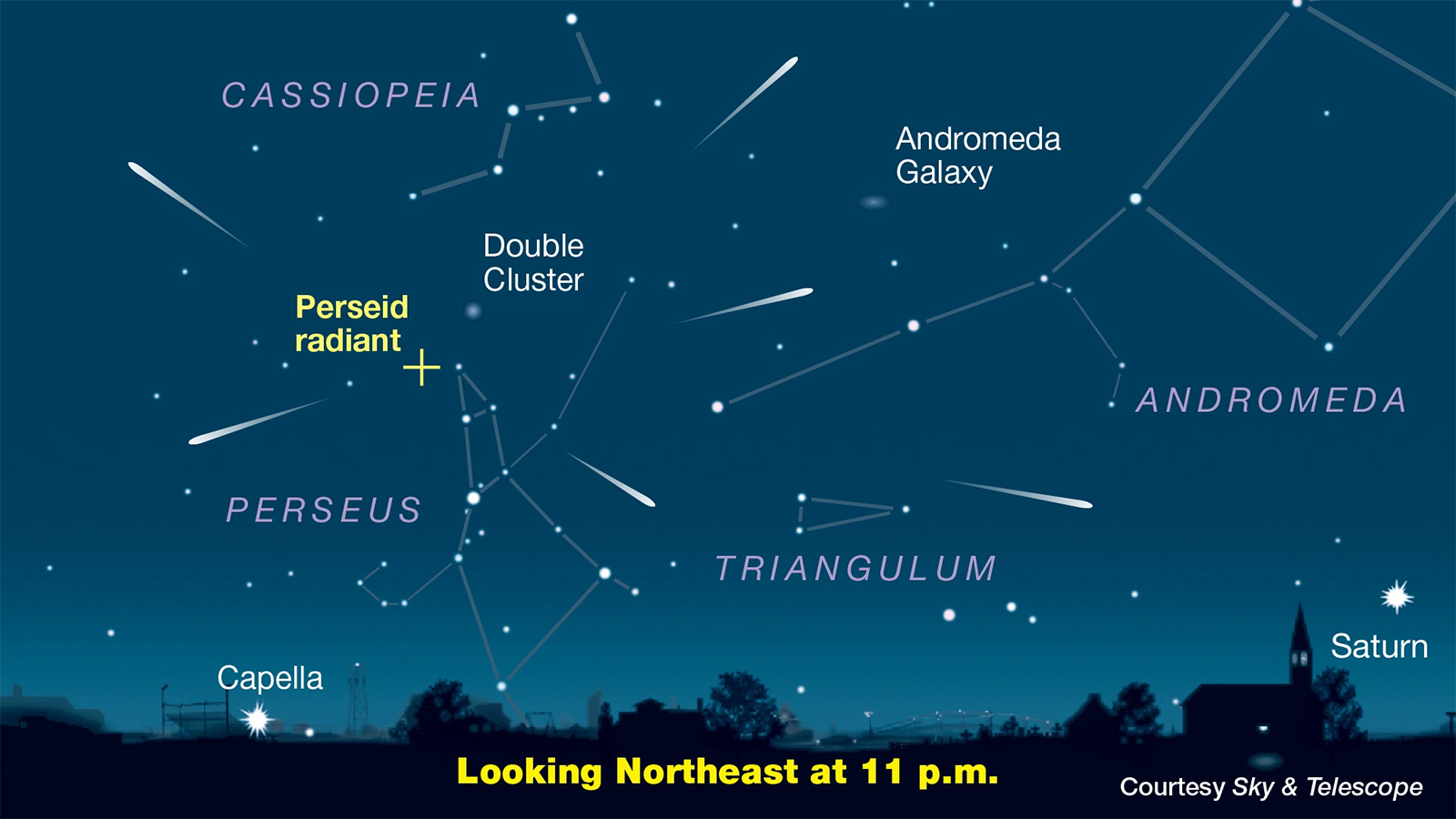
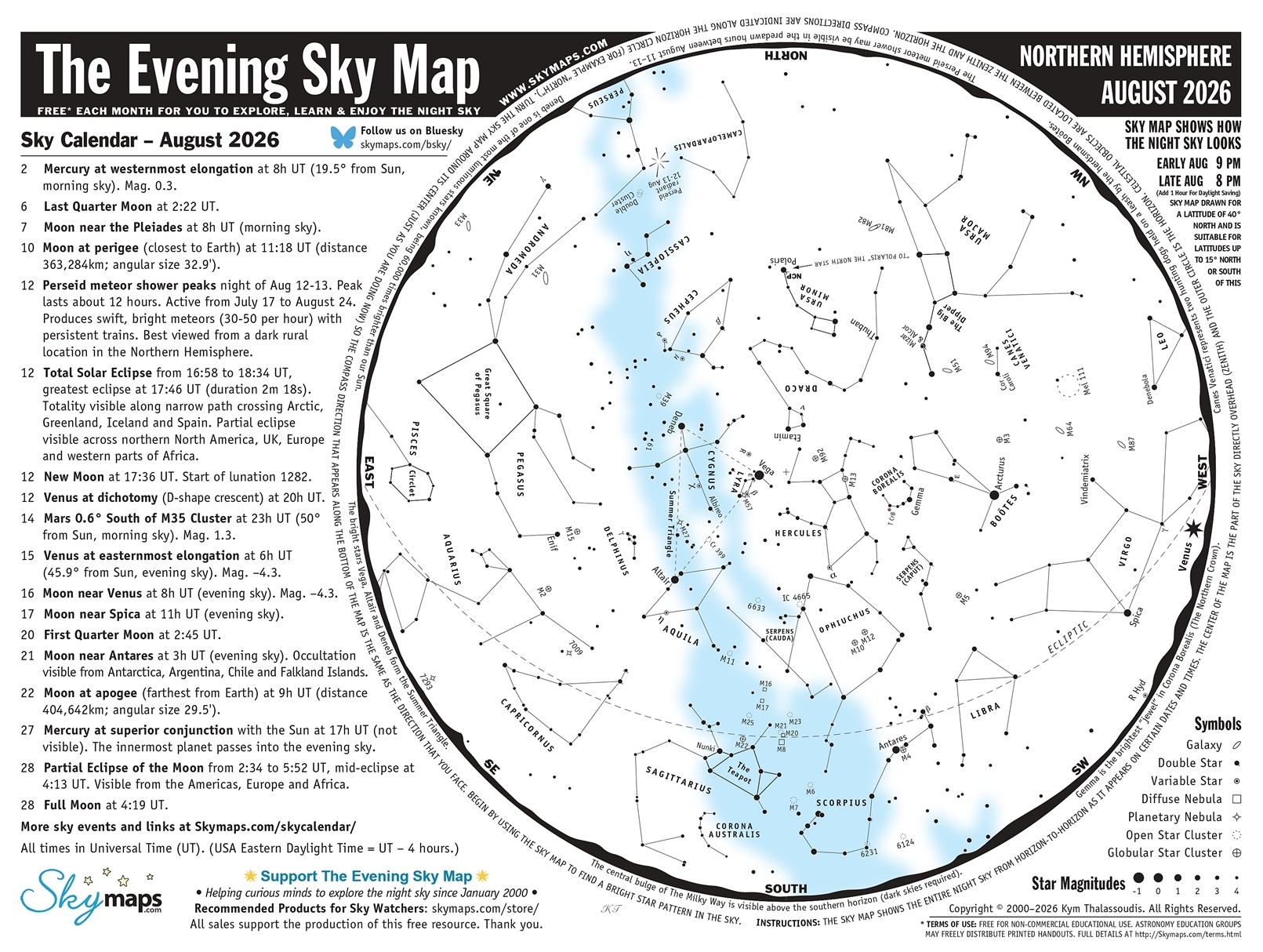
The Perseids’ radiant point rises late in the evening, around 11 p.m. your local time, nearly due northeast in the constellation Perseus. Best viewing is after midnight in a dark location. At its peak, up to 100 meteors per hour might be seen under the darkest of skies. But few of us have that option due to light-pollution.
Planetary Conjunctions:
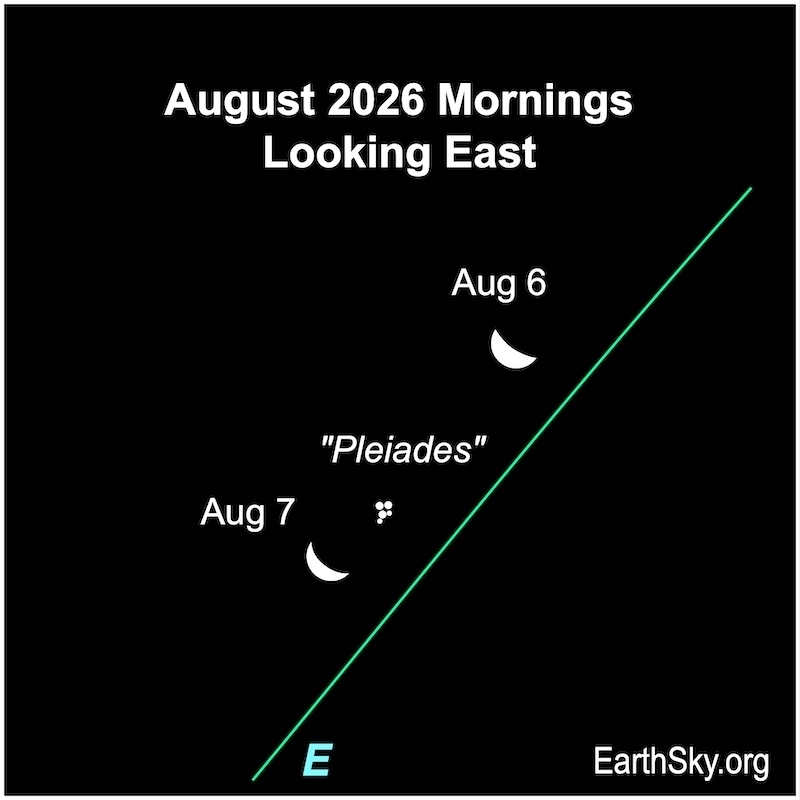
Look for the waning crescent moon as it hangs near the Pleiades star cluster in the early morning hours of August 7
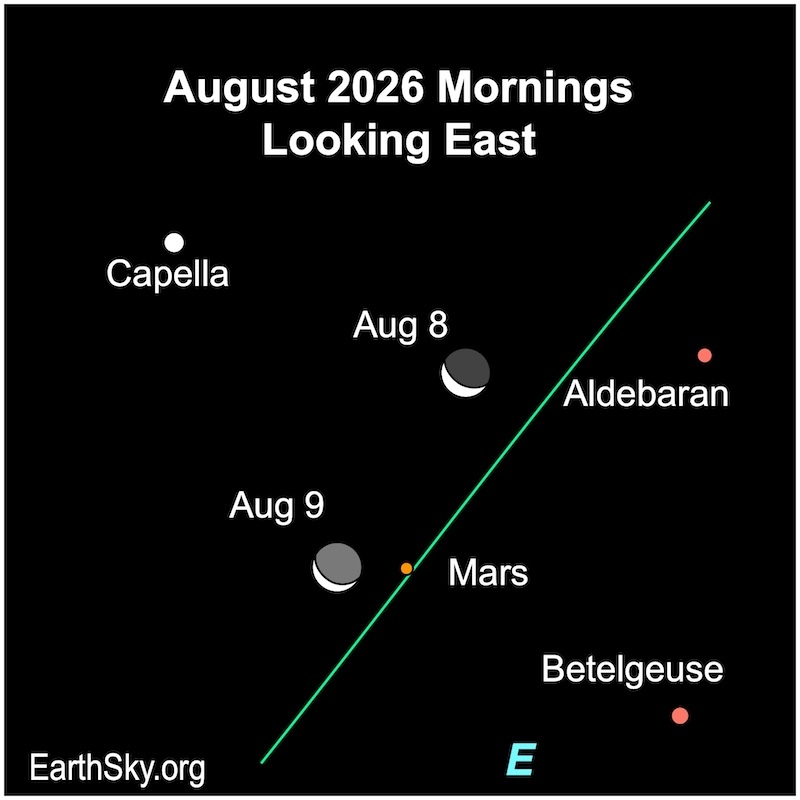
In the early morning hours on August 8 and 9, the waning crescent moon will move among the bright stars Capella, Aldebaran and Betelgeuse. The red planet Mars is there too. On the morning of August 9, the moon will lie close to Mars
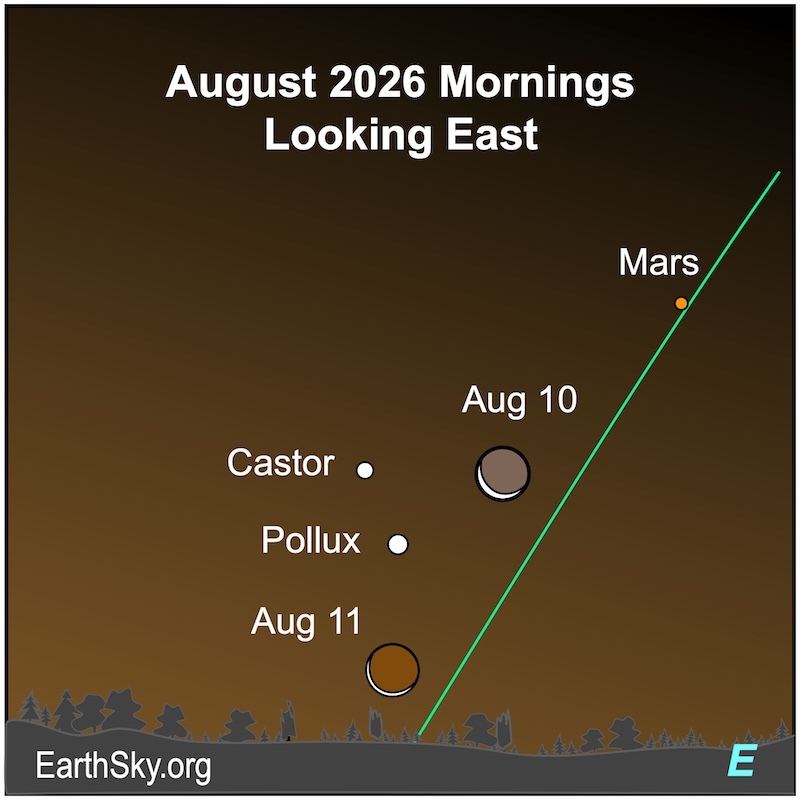
In the morning hours on August 10 and 11, the thin waning crescent moon will float near the red planet Mars. They’ll also be near the twin stars of Gemini, Castor and Pollux
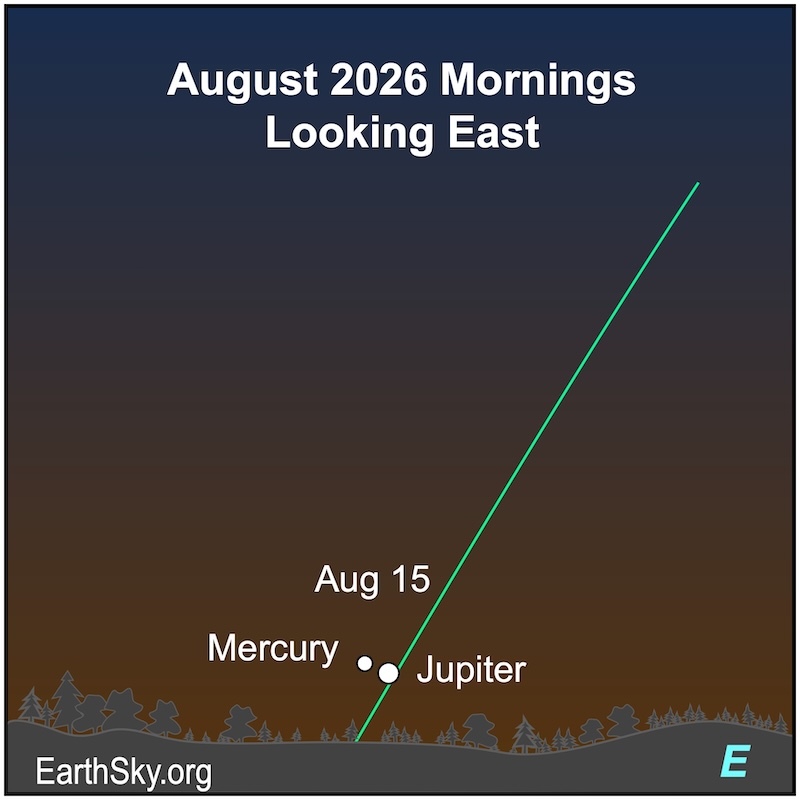
Shortly before sunrise on August 15, Jupiter and Mercury will pass close to one another – about one full moon width apart – in the bright morning twilight. They will be positioned very close to the eastern horizon, so a low, clear horizon line will be necessary to spot them
Clear and Dark Skies, Dave Holland