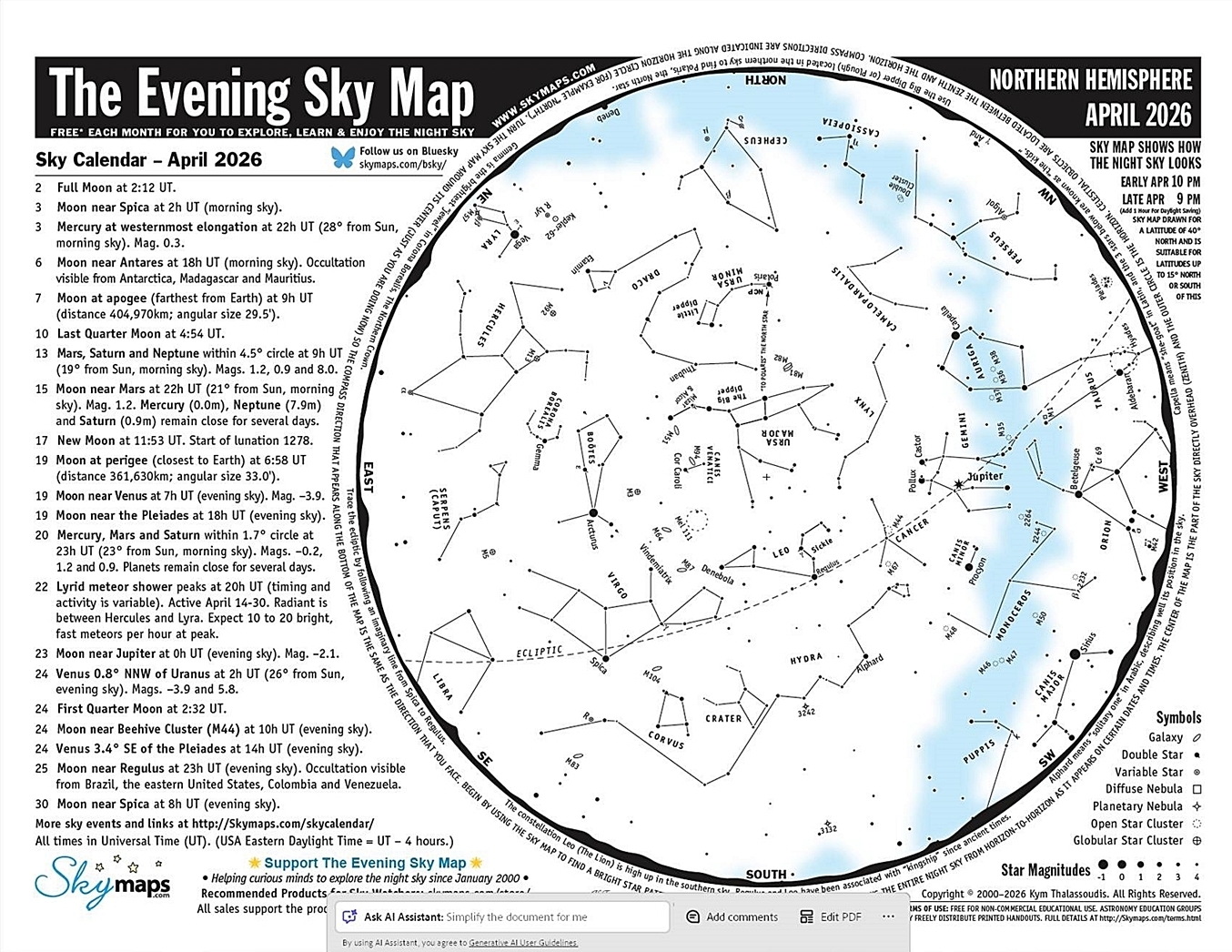
April is peak "galaxy season," offering prime galaxy viewing as look away away from the Milky Way, revealing galaxies in Leo, Virgo, and Ursa Major. Highlights include the Whirlpool Galaxy, the Leo Triplet, and the Sombrero Galaxy, which are visible in modest sized telescopes under dark skies.
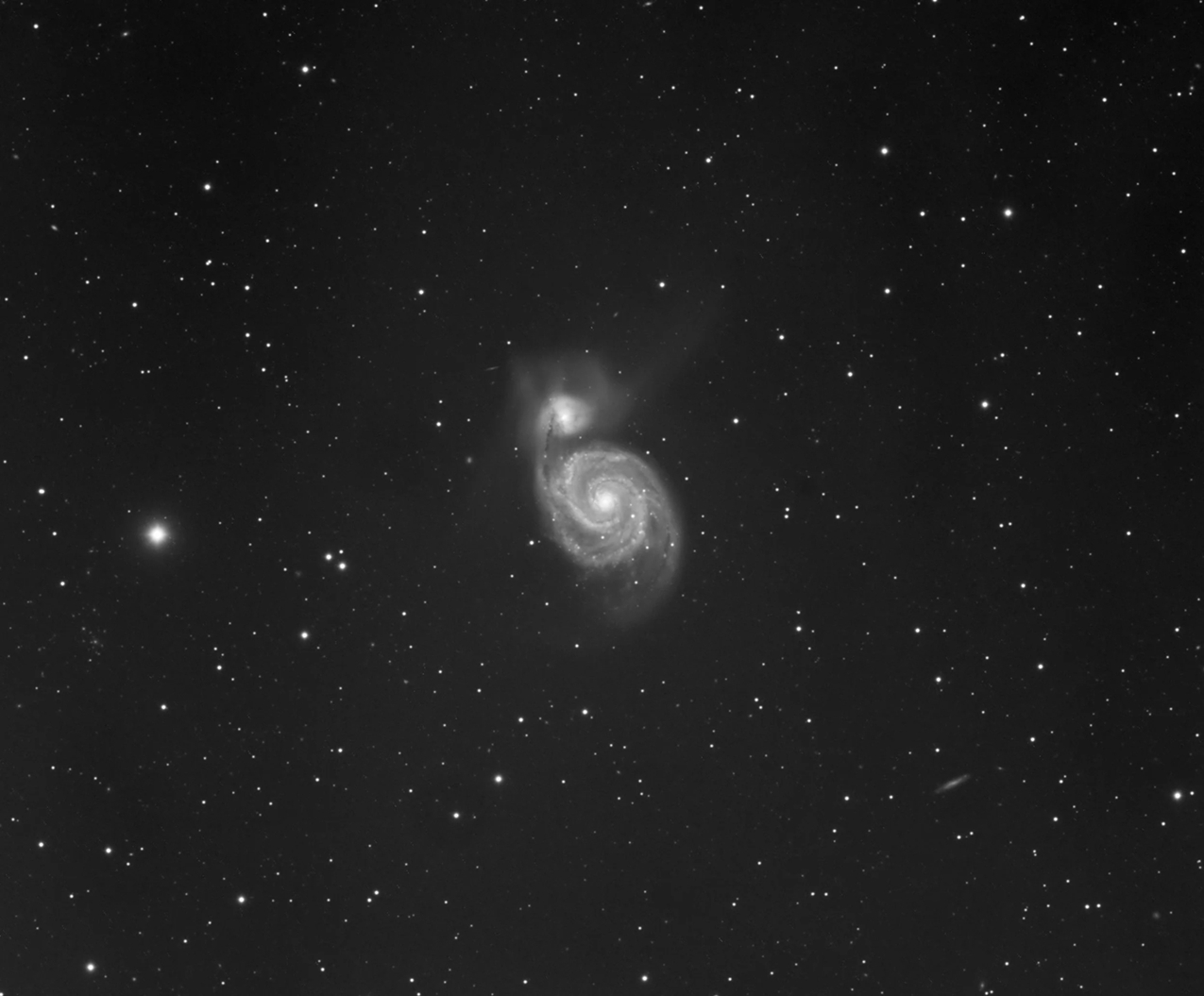
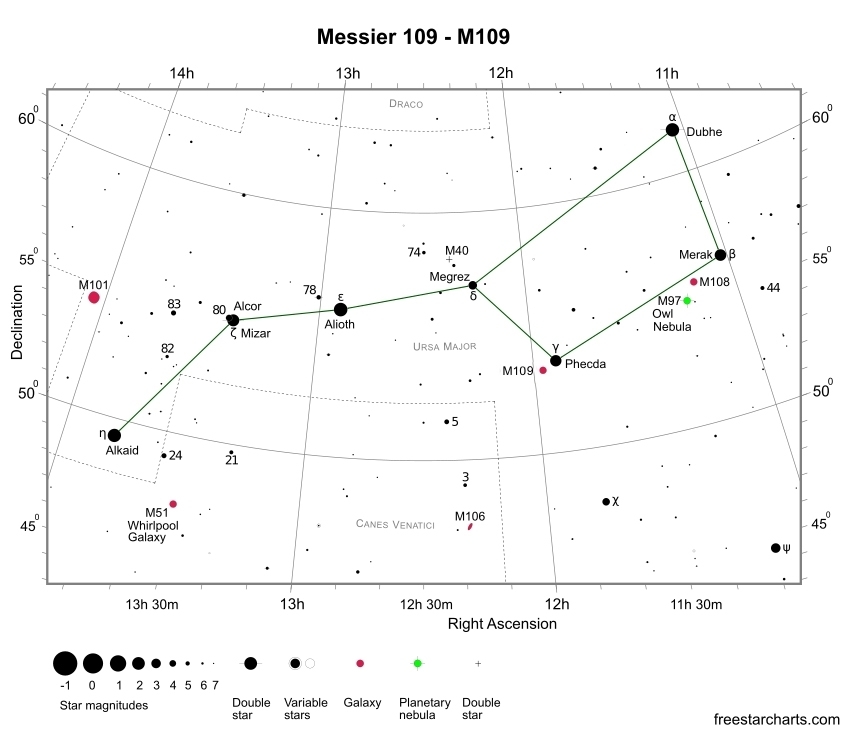
Whirlpool Galaxy (M51): Located near the Big Dipper in Canes Venatici, this interacting pair displays distinct spiral arms seen with a 8" telescope. The galaxy and its companion, NGC5195 are easily observed at mags. 8.4 and 10.4
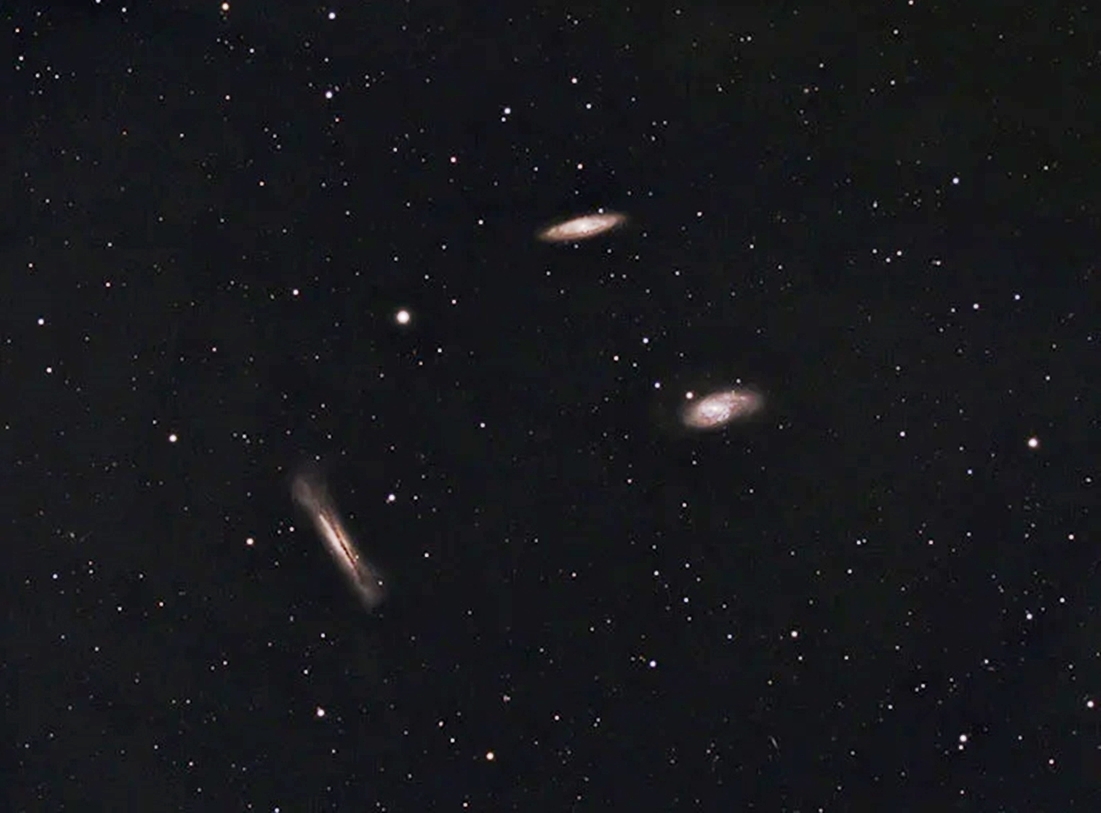
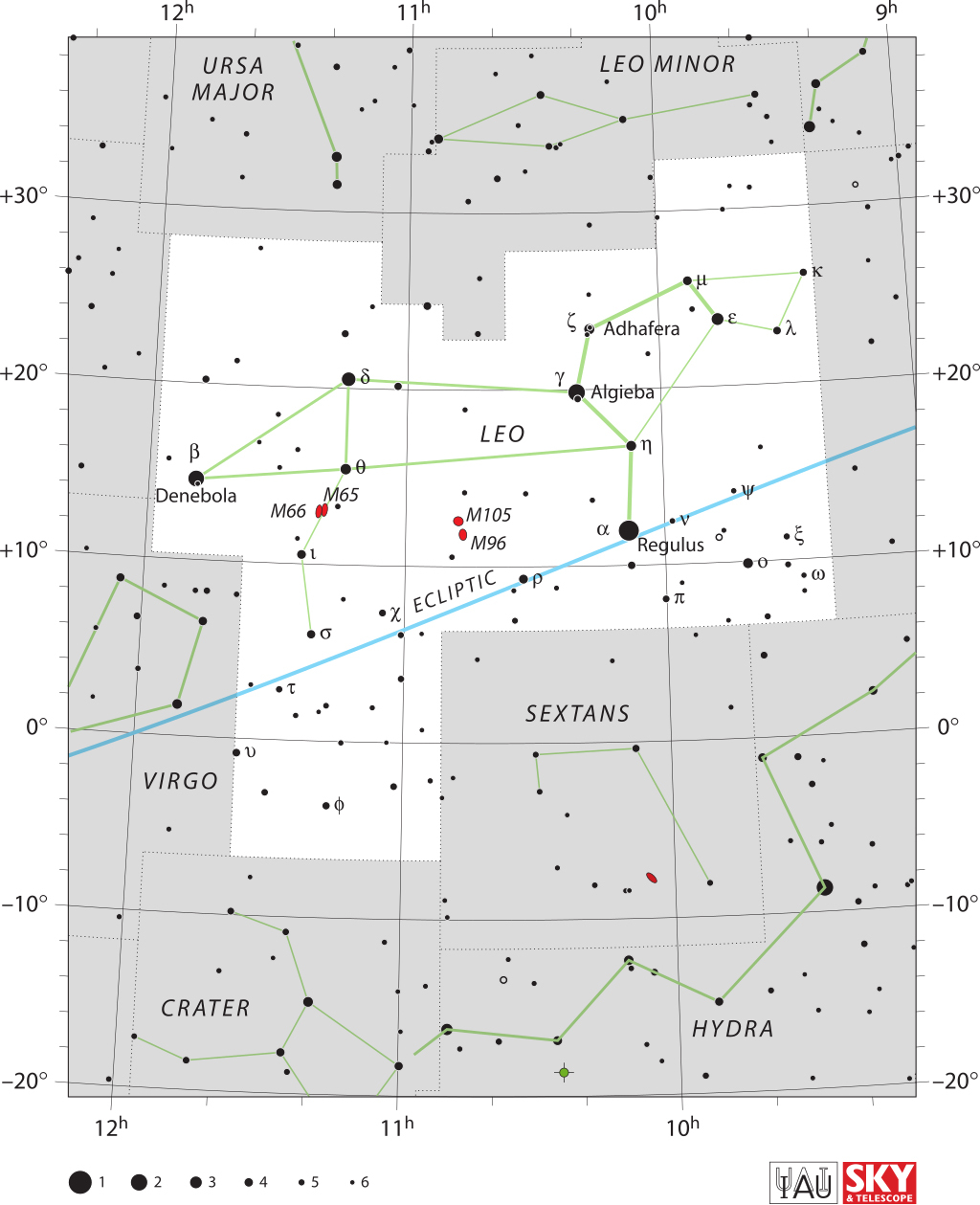
Leo Triplet (M65, M66, & NGC 3628): A trio of spiral galaxies in the Leo that are visible in a single, low-power field of view. M66 is the brightest at mag. 8.8 followed by M65 at 9.3 and NGC3628 at 9.5.
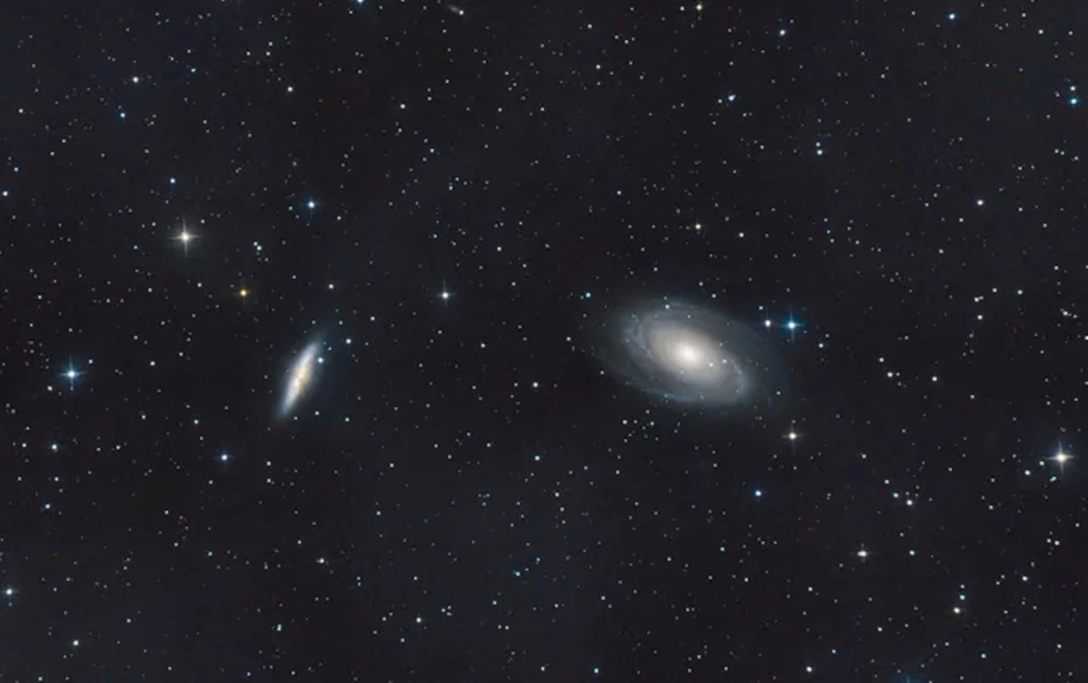
Bode’s Galaxy (M81) & Cigar Galaxy (M82): A bright spiral (M81) and a nearby starburst irregular galaxy (M82) found in Ursa Major. M81 is a large, bright, "face-on" spiral galaxy, while M82 is an "edge-on" galaxy. Both easily seen at mags. 6.9 and 8.4 for M82.
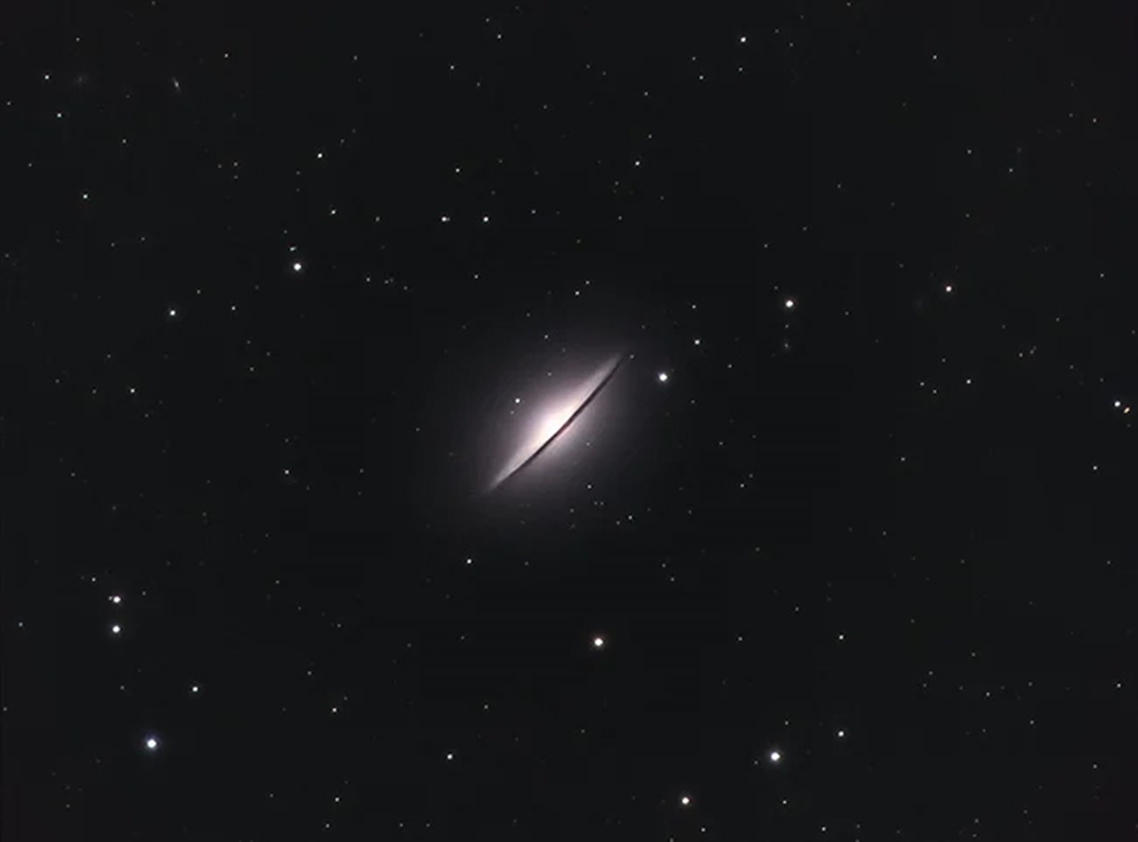
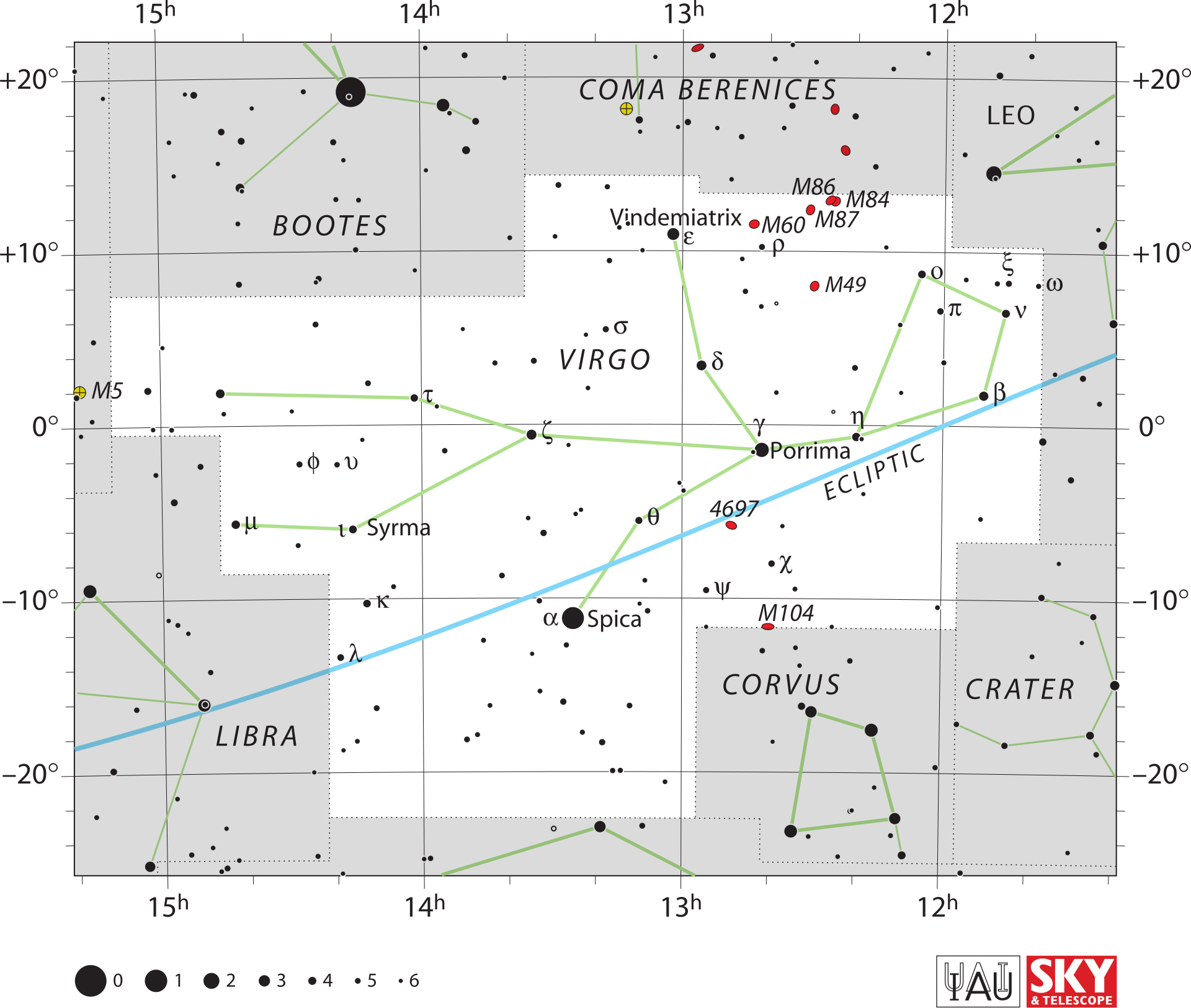
Sombrero Galaxy (M104): Known for its bright core and prominent dust lane, resembling the wide-brimmed hat. This galaxy is small but at mag. 8 it is easily seen with a modest sized telescope and medium power.
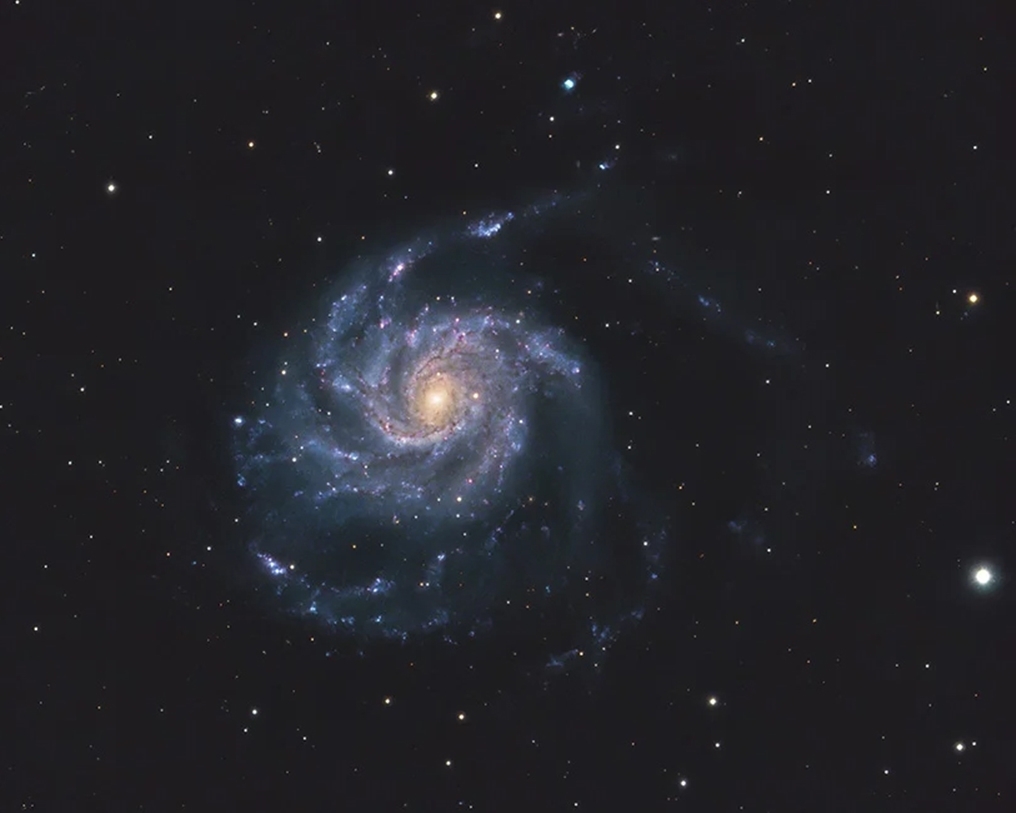
Pinwheel Galaxy (M101): A large, face-on spiral in Ursa Major known for its delicate structure. Even at mag. 7.9, this galaxy definitely needs a very dark sky because of its low surface brightness. A large Dob is best.
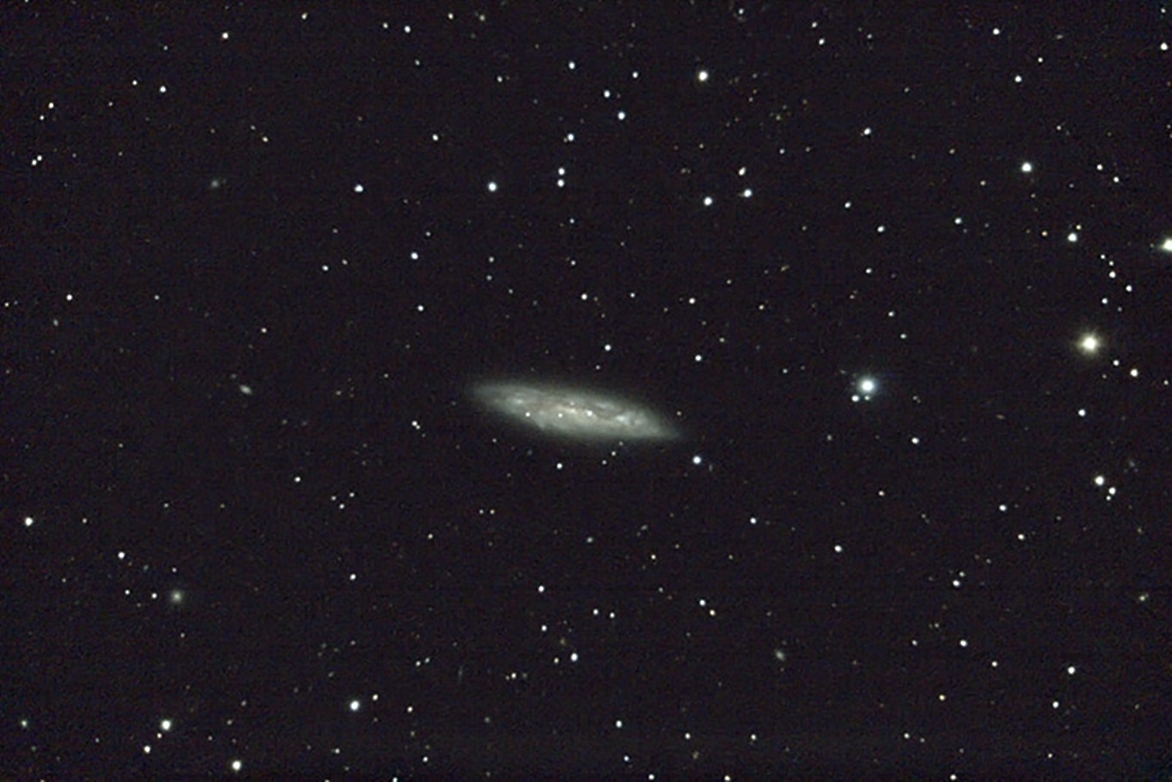
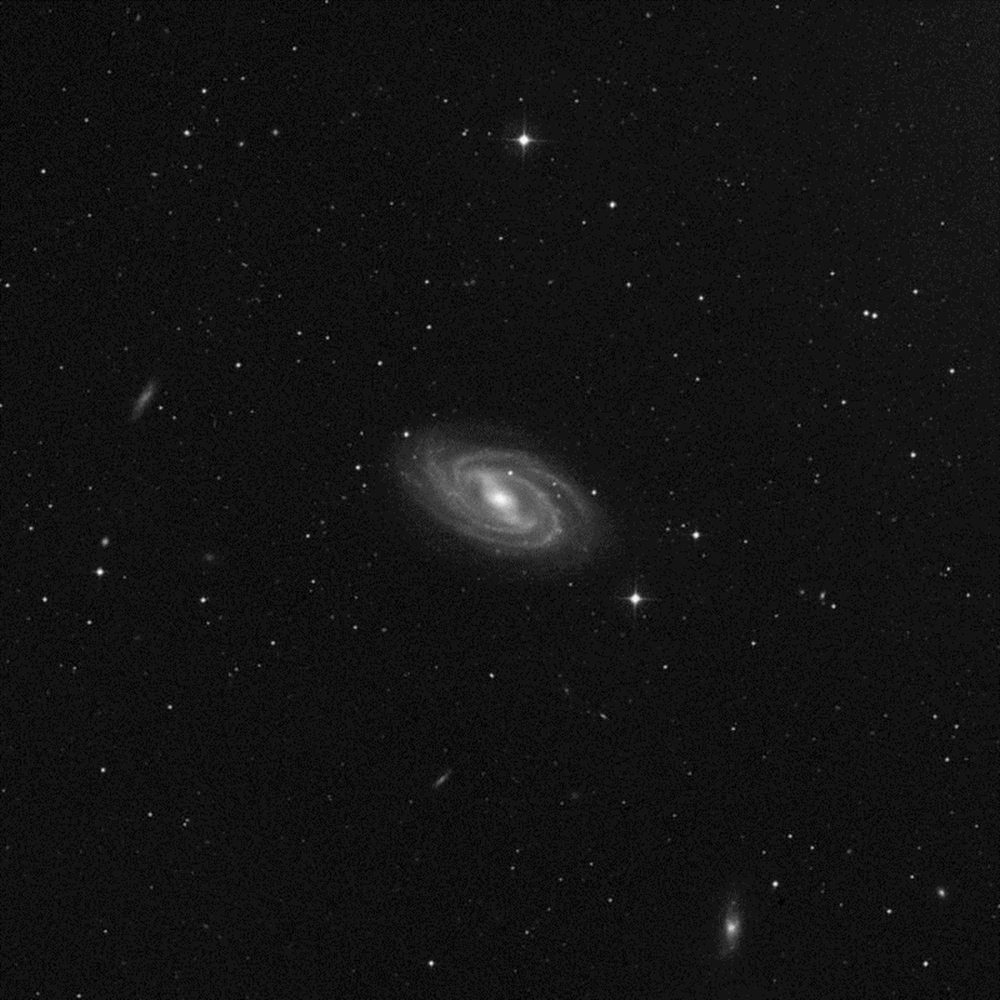
M108 and M109: Located in Ursa Major, with M109 often compared in structure to the Milky Way. M108 is seen edge. It shines at mag. 10. Look for nearby planetary M97 known as the Owl nebula. M109 is a barred spiral shining at mag. 9.8. Spiral structure may be glimsped in a medium sized telescope under dark skies.
Of course there are many more galaxies to observe but the above list will get you started.
Clear and Dark Skies, Dave Holland